


Fall and early winter bring beautiful scenery to eastern Nebraska, but they also bring an increased risk of encountering deer on the road. For drivers traveling around Plattsmouth, Omaha, Bellevue, and Cass County, knowing when deer are most active and how to respond to an unexpected encounter can help make every drive safer.
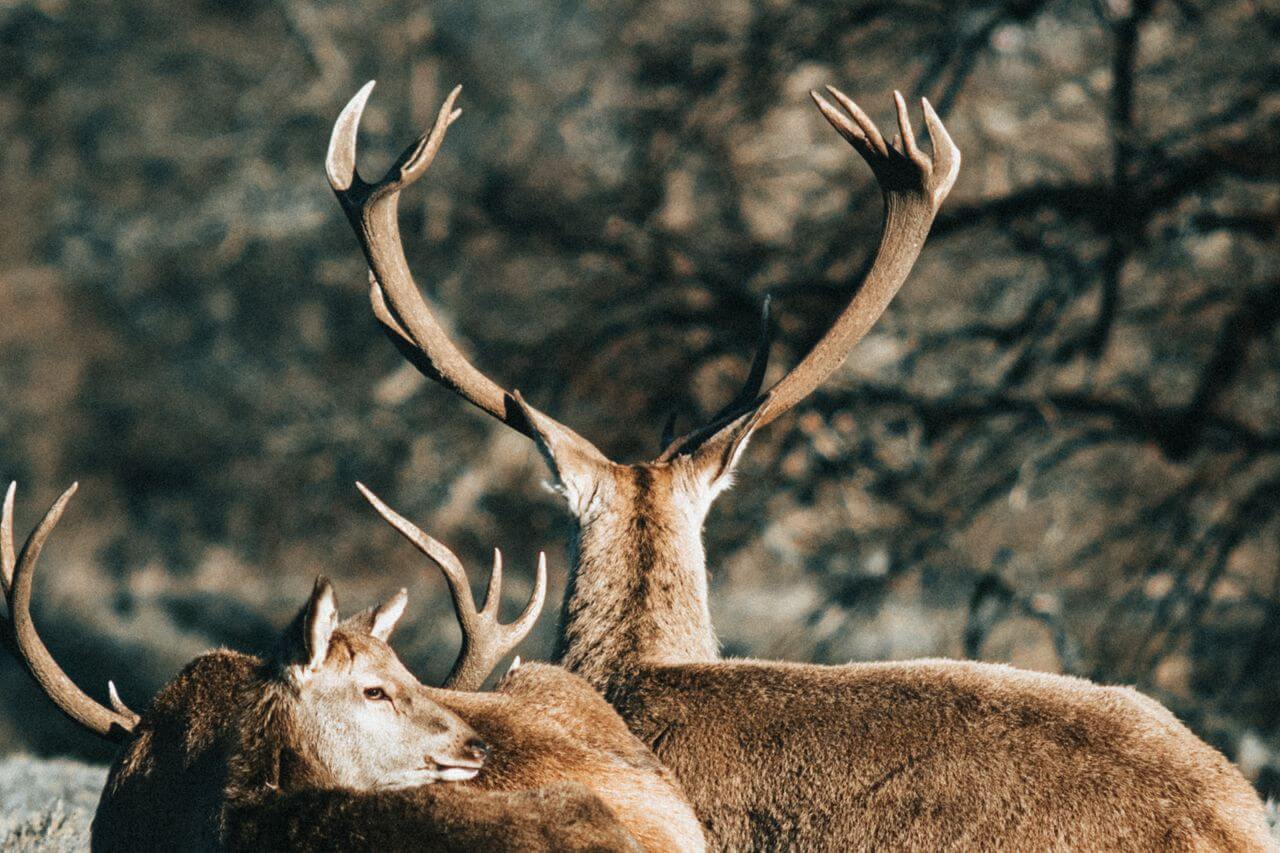
According to the Nebraska Game and Parks Commission, deer activity increases during the fall breeding season, with movement particularly common around dawn and dusk. Harvesting agricultural fields can also push deer toward nearby roads and highways.
At Janssen Kuenle CDJR of Plattsmouth, we want local drivers to stay informed, prepared, and confident behind the wheel. Here are some important deer season driving tips for Nebraska motorists.
Why Are Deer Collisions More Common in Nebraska During Fall?
Several factors contribute to increased deer activity during autumn and early winter.
Breeding season: During the fall breeding season, deer travel more frequently as bucks search for does. Their movements can become less predictable, increasing the possibility of encountering them near roadways.
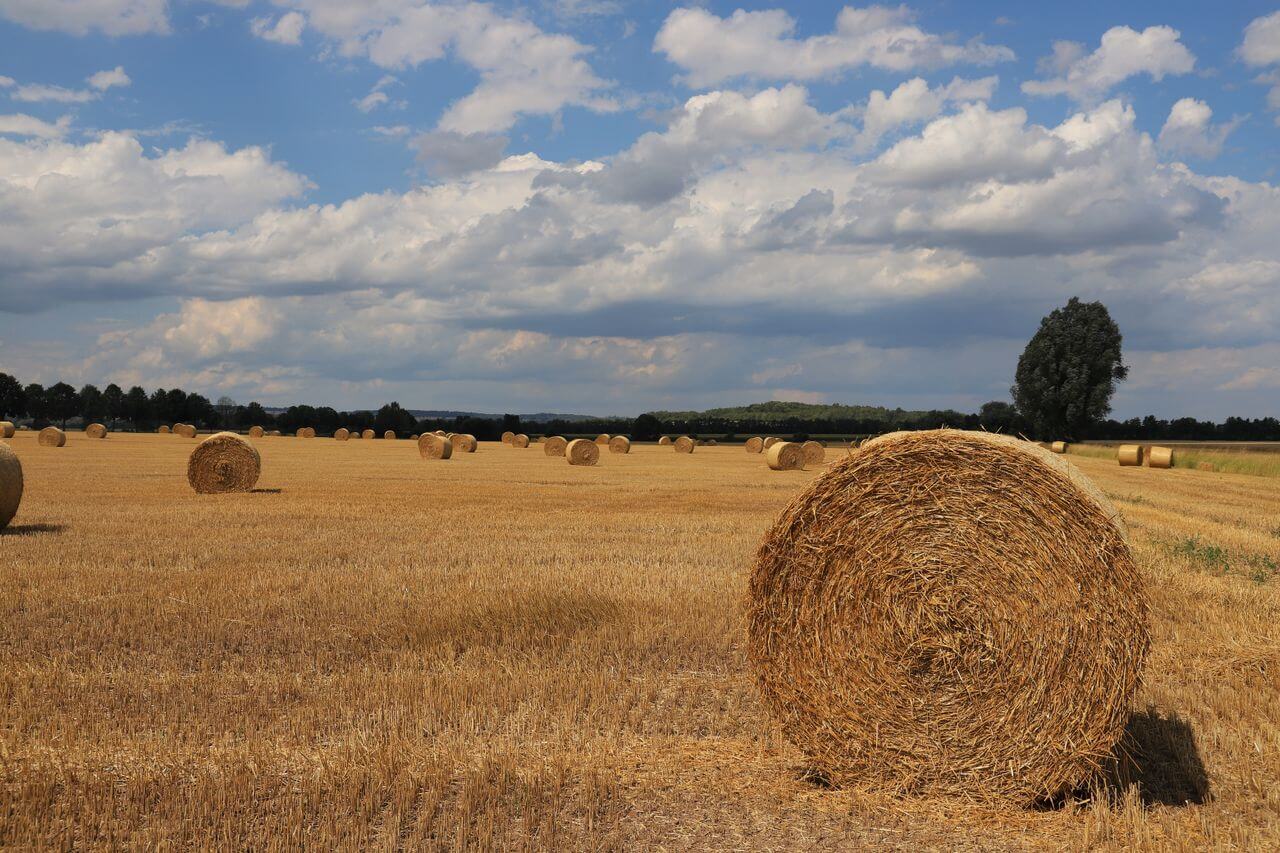
Agricultural harvesting: As farmers harvest crops throughout eastern Nebraska, deer may leave familiar fields and move toward wooded areas, shelterbelts, and surrounding roadways.
Shorter daylight hours: Many Nebraska commuters travel to work early in the morning or return home after sunset. These driving hours often overlap with periods when deer are most active.
For drivers in Plattsmouth and surrounding communities, extra awareness is especially important when traveling along rural roads, near wooded areas, and around waterways.
7 Tips to Avoid Hitting a Deer While Driving
Taking a few precautions can help reduce your chances of a deer-related accident.
1. Slow Down Around Dawn and Dusk
Deer are especially active during the early morning and evening hours. Reduce your speed when traveling during these times, particularly on rural roads where visibility may be limited.
Driving at a more controlled speed gives you additional time to recognize potential hazards and respond appropriately.
2. Watch for Deer Crossing Signs
Pay attention to posted deer crossing signs throughout Nebraska.
These signs identify areas where deer frequently cross roadways. However, remember that deer can appear anywhere, even where warning signs are not present.
3. Look Beyond the Roadside
When driving near fields, wooded areas, creeks, and shelterbelts, scan both sides of the road.
Look for movement in the grass, along tree lines, and near ditches. Deer may approach the roadway quickly, so staying alert is important.
4. Use Your High Beams When Appropriate
When driving at night on an open road without approaching traffic, high-beam headlights can help you see farther ahead.
Watch for the reflection of deer eyes in your headlights. Remember to switch to low beams when approaching other vehicles or when required by road conditions.
5. Never Assume There's Only One Deer
If you see one deer crossing the road, watch carefully for additional animals.
Deer frequently travel in groups, and another deer may follow shortly after the first one crosses.
6. Avoid Sudden Swerving
If a deer suddenly enters your path, remain in control of your vehicle.
Avoid making an abrupt steering maneuver that could send your vehicle into oncoming traffic, a ditch, or another roadside obstacle. Brake firmly while maintaining control and bring the vehicle to a stop as safely as possible.
7. Always Wear Your Seat Belt
A seat belt is one of the most important safety features in your vehicle.
Whether you're commuting through Plattsmouth, traveling toward Omaha, or driving along Nebraska highways, make sure everyone inside your vehicle is properly restrained.
What Should You Do If You Hit a Deer in Nebraska?
Even careful drivers can experience unexpected encounters with wildlife. If you hit a deer, knowing what to do next is important.
Follow these steps:
1. Move to a Safe Location
If your vehicle is still operational, move it away from traffic when it is safe to do so. Turn on your hazard lights to alert other motorists.
2. Stay Away From the Animal
Do not approach or attempt to handle an injured deer. A frightened animal can behave unpredictably and cause additional injuries.
3. Contact Law Enforcement
If you strike a deer, contact local law enforcement. An injured animal or one left in the roadway can create additional hazards for other drivers.
4. Document the Damage
When it is safe, take photographs of your vehicle, the surrounding roadway, and any visible damage. These photographs may be helpful when contacting your insurance company.
5. Contact Your Insurance Provider
Report the accident to your insurance company and ask about the appropriate next steps for evaluating and repairing your vehicle.
6. Have Your Vehicle Inspected
Even if your vehicle appears drivable, a collision with a deer can cause damage that isn't immediately visible.
Potential concerns include:
Damaged front bumpers, grilles, or body panels.
Broken headlights or exterior lighting.
Damaged radiator or cooling system components.
Bent brackets or damaged mounting points.
Problems with sensors or driver-assistance systems.
Damaged hood, windshield, or other exterior components.
If you notice leaking fluids, warning lights, unusual noises, or compromised visibility, avoid driving the vehicle until it has been professionally evaluated.
Why a Post-Collision Vehicle Inspection Matters
A deer collision can affect more than the visible exterior of your vehicle.
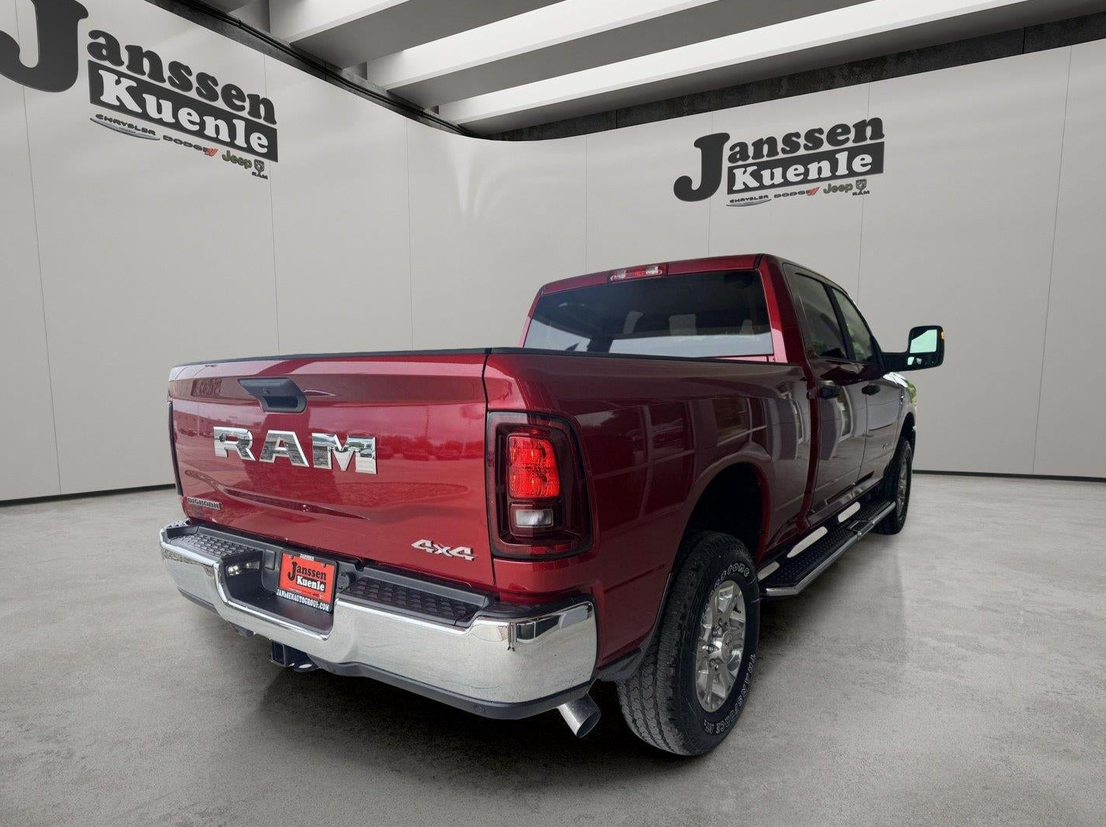
Modern Chrysler, Dodge, Jeep, and Ram vehicles may have sensors, cameras, lighting systems, and other electronic components positioned around the front and rear of the vehicle.
Even a seemingly minor impact can affect these components.
A professional inspection can help identify potential mechanical or electrical problems before they become more serious.
At Janssen Kuenle CDJR of Plattsmouth, our service department helps drivers maintain their vehicles with routine maintenance, diagnostic services, and vehicle inspections.
If your Jeep, Ram, Dodge, or Chrysler has experienced a collision, our team can help evaluate applicable service needs and recommend the appropriate next steps. Collision bodywork may require a qualified collision repair facility.
Preparing Your Vehicle for Nebraska's Fall and Winter Roads
Deer season is also a good reminder to make sure your vehicle is ready for changing road conditions.
Before heading out on longer drives around eastern Nebraska, consider checking:
Headlights and taillights: Make sure all exterior lights are functioning properly.
Windshield wipers: Replace worn blades to maintain clear visibility during rain, snow, and freezing weather.
Tire condition: Check tread depth and maintain the manufacturer's recommended tire pressure.
Brakes: Have unusual noises, vibrations, or changes in braking performance inspected.
Windshield and mirrors: Keep glass clean and make sure you have an unobstructed view of the road.
Vehicle warning systems: Address dashboard warning lights and unusual vehicle behavior promptly.
Routine vehicle maintenance can help keep your vehicle prepared for the changing conditions Nebraska drivers experience throughout the year.
Where Can You Get Vehicle Service Near Plattsmouth, NE?
If you're looking for vehicle maintenance or diagnostic services near Plattsmouth, Nebraska, Janssen Kuenle CDJR of Plattsmouth is here to help.
Conveniently located at 319 Fulton Avenue in Plattsmouth, our dealership serves drivers from:
Plattsmouth
Omaha
Bellevue
Papillion
Nebraska City
Louisville
Glenwood
Surrounding Cass County communities
Whether your vehicle needs an inspection, routine maintenance, or diagnostic attention, our team is ready to help you understand your service options.
We work with Chrysler, Dodge, Jeep, and Ram vehicles and understand the importance of keeping your vehicle ready for Nebraska's changing seasons.
Stay Alert and Drive Safely This Deer Season
Deer activity is an important consideration for Nebraska drivers, particularly during fall and early winter. Slowing down, watching for wildlife, maintaining a safe driving distance, and knowing how to respond to an unexpected encounter can help reduce the risks associated with deer collisions.
Before your next trip around Plattsmouth, Omaha, or the surrounding communities, take a moment to make sure your vehicle is ready for the road.
If your vehicle needs maintenance or a professional inspection, visit Janssen Kuenle CDJR of Plattsmouth. Our team is proud to help local drivers stay prepared throughout every Nebraska driving season.
Visit Janssen Kuenle CDJR of Plattsmouth at 319 Fulton Avenue, Plattsmouth, NE 68048, or call 402-296-5000 to learn more about our service department.
Nebraska Deer Season Driving Tips: How to Avoid Deer Collisions and What to Do After an Accident.