




Janssen Kuenle CDJR of Plattsmouth

Blog

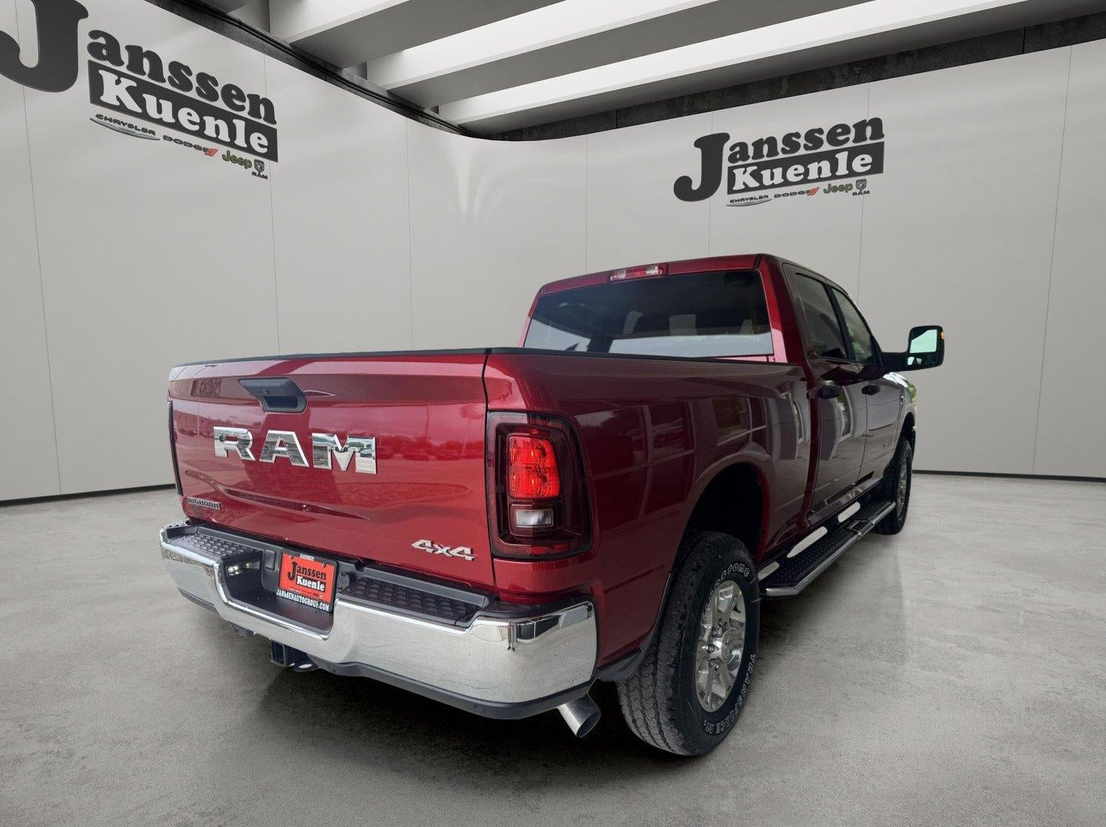
How to Choose the Right Ram Truck Bed Size for Your Needs in Plattsmouth, NE

Nebraska
When you’re shopping for a Ram truck in Plattsmouth, NE, choosing the right cab, engine, and trim level is only part of the decision. The size of your truck bed can have a major impact on how useful your truck is every day. Whether you use your pickup for work, hauling equipment, outdoor adventures, or everyday driving, selecting the right Ram truck bed size can help make sure your truck fits your lifestyle.

At Janssen Kuenle CDJR of Plattsmouth, we help drivers throughout Plattsmouth, Omaha, Bellevue, Papillion, and the surrounding Nebraska communities find trucks that match their needs. Here’s what to consider when deciding which Ram truck bed configuration is right for you.

What Ram Truck Bed Sizes Are Available?

Ram offers different bed configurations depending on the model, cab style, and configuration. Popular Ram pickup options include the Ram 1500, Ram 2500, and Ram 3500, with available bed lengths varying by model.

Common truck bed lengths include:


  • Short beds: A practical choice for drivers who want easier maneuverability and a truck that works well as a daily driver.

  • Standard beds: A versatile middle ground for drivers who regularly haul tools, recreational equipment, building materials, and other cargo.

  • Long beds: Designed for drivers who prioritize maximum cargo space and frequently haul longer or larger items.

Because availability can vary by Ram model and configuration, it’s important to compare the specific truck you’re considering rather than choosing based on bed length alone.


Is a Short Ram Truck Bed Right for You?

A shorter truck bed can be a great fit if you want a pickup that is easy to maneuver around town while still giving you useful cargo space. This can be especially appealing to drivers who use their Ram as both a work vehicle and an everyday vehicle.

A shorter bed may make sense if you:


  • Primarily drive around Plattsmouth and the Omaha metro area

  • Use your truck for commuting and everyday errands

  • Haul smaller tools or recreational equipment

  • Want easier parking and maneuverability

  • Don't regularly carry long pieces of lumber or other oversized cargo

If your truck spends as much time on city streets as it does on the jobsite, a shorter bed can provide a useful balance between utility and drivability.


When Does a Standard Truck Bed Make Sense?

For many Nebraska truck owners, a standard-length bed provides a versatile combination of cargo capacity and everyday practicality. It can give you additional room for tools, equipment, supplies, camping gear, and other cargo without making the truck unnecessarily difficult to live with.

A standard bed may be a good option if you:


  • Regularly carry work equipment

  • Haul landscaping or home-improvement supplies

  • Take camping or hunting gear on weekend trips

  • Need room for larger recreational equipment

  • Want a truck that can handle both work and personal use


For drivers who aren't sure which configuration they need, thinking about what you typically haul—and what you may need to haul in the future—is a good place to start.


Who Should Consider a Long-Bed Ram Truck?

If hauling capacity is one of your top priorities, a long-bed Ram may be worth considering. The additional bed length can be particularly useful when you frequently transport longer materials or larger loads.

A long bed can be especially useful for:


  • Contractors and construction professionals

  • Farmers and agricultural workers

  • Landscapers

  • Tradespeople

  • Drivers who regularly haul building materials

  • Owners who frequently transport large equipment or cargo

A longer bed can provide additional flexibility, but it can also increase the overall size of the truck. If you frequently drive or park in tighter areas, consider how the additional length will fit into your daily routine.


Don't Forget About Truck Bed Payload

Bed length isn't the only factor that matters when choosing a Ram truck. You should also consider payload capacity, which refers to how much weight the truck can safely carry.

Your payload needs may depend on what you're transporting, including:


  • Tools and equipment

  • Building materials

  • Landscaping supplies

  • Recreational gear

  • Cargo and personal belongings

  • Passengers and other items inside the truck


The right Ram truck for you should have enough capability for the jobs you expect it to handle. If you regularly carry heavy loads, towing and payload ratings should be part of your truck-shopping conversation.


Think About How You'll Use Your Ram in Nebraska


Your ideal truck bed isn't necessarily the biggest one available. The best choice depends on how you actually use your pickup.


A driver who primarily commutes between Plattsmouth and Omaha may have different priorities than someone who spends the week hauling equipment around a job site. Likewise, a Nebraska farmer, contractor, outdoor enthusiast, and weekend DIY-er may all need different combinations of bed space and truck capability.


Before visiting a Ram dealership near Plattsmouth, think about the items you regularly carry. Measure longer equipment or materials if necessary, and consider what you may need to haul several years from now.


Find Your Ram Truck in Plattsmouth, NE


The right truck bed can make a significant difference in how useful your pickup is every day. Whether you're looking for a Ram 1500 for everyday driving and weekend projects or a heavy-duty Ram 2500 or Ram 3500 for demanding work, comparing bed configurations is an important part of finding the right truck.


If you're shopping for a Ram truck in Plattsmouth, NE, visit Janssen Kuenhle Chrysler Dodge Jeep Ram to explore available Ram trucks and discuss your towing, hauling, and everyday driving needs. Our team can help you compare available configurations and find a Ram pickup that fits the way you work and drive.


Stop by our dealership in Plattsmouth or browse our available Ram trucks online to get started.


Recommended Posts

How to Choose the Right Ram Truck for Towing: GVWR, Payload, Tongue Weight, and Towing Capacity Explained

If you're shopping for a truck in Plattsmouth, Bellevue, Omaha, or anywhere across eastern Nebraska, chances are towing capability is somewhere on your list of priorities. Whether you're pulling a boat to the lake, a camper for a weekend getaway, a utility trailer for a project, or equipment for work, choosing the right Ram truck means looking beyond one number on a specification sheet. A truck's maximum towing capacity is important, but it is only one part of the equation. Payload capacity, GVWR, tongue weight, axle ratings, engine, drivetrain, cab configuration, and trailer setup can all affect how much your truck can safely and comfortably tow. So how do you choose the right Ram truck for your trailer? Let's break down the numbers and explain what they mean. Towing Capacity vs. Payload Capacity: What's the Difference? Two of the most important numbers to understand when shopping for a Ram truck are towing capacity and payload capacity. Towing capacity refers to the maximum weight of a trailer that a properly equipped truck can tow under specified conditions. Payload capacity refers to how much weight the truck itself can carry. That includes passengers, cargo in the bed, accessories, and applicable trailer tongue weight. That last part is important. If you're towing a trailer, the trailer's tongue weight puts additional weight on your truck. For conventional towing, Ram's towing information generally uses a tongue-weight calculation of approximately 10% of trailer weight, subject to the specific vehicle, hitch, and manufacturer requirements. For example, a 7,000-pound trailer could place approximately 700 pounds of tongue weight on the truck. That 700 pounds doesn't disappear just because it's attached to a trailer—it becomes part of the load the truck is carrying. That's why you shouldn't choose a truck based solely on its advertised maximum towing capacity. What Is GVWR? GVWR, or Gross Vehicle Weight Rating, is the maximum allowable loaded weight of the truck. Think of it as the maximum amount the truck itself is designed to weigh when fully loaded. Your truck's GVWR takes into account things such as: • Passengers • Fuel • Cargo • Accessories • Trailer tongue weight •  Other equipment carried by the truck The actual limits vary by Ram model and configuration, so always check the specific truck's certification label and official towing and payload information. For example, a 2026 Ram 1500 can have different GVWR and payload ratings depending on its engine, cab, bed, drivetrain, and other equipment. Ram's current towing information lists maximum towing capacity of up to 11,610 pounds for certain 2026 Ram 1500 configurations, but that doesn't mean every Ram 1500 can tow 11,610 pounds. Rramtrucks+1 The key takeaway: The maximum advertised number applies to specific configurations—not every truck wearing the same model badge. What Is Tongue Weight? Tongue weight is the amount of a trailer's weight that presses down on the hitch of the tow vehicle. For conventional trailers, a properly balanced trailer commonly has tongue weight around 10% of its gross trailer weight, although the appropriate figure depends on the trailer and manufacturer recommendations. Here's a simple example: 7,000-pound trailer × 10% = approximately 700 pounds of tongue weight That 700 pounds counts toward the truck's available payload. If you have four passengers, tools in the bed, camping equipment, and a heavy trailer tongue, your available payload can disappear faster than you might expect. This is one reason a truck with a higher tow rating isn't automatically the right choice for every towing situation. Don't Forget GAWR Another number worth understanding is GAWR, or Gross Axle Weight Rating. GAWR is the maximum allowable weight that can be supported by a particular axle. A properly equipped tow vehicle has limits for both its front and rear axles. Trailer tongue weight can put significant additional load on the rear axle, so axle ratings matter when determining whether a particular truck-and-trailer combination is appropriate. Ram's official towing documentation emphasizes that GVWR, GAWR, and GCWR should not be exceeded. Rramtrucks For that reason, don't look at towing capacity in isolation. A safe towing setup requires considering the entire combination. What Is GCWR? GCWR, or Gross Combined Weight Rating, refers to the maximum allowable combined weight of the tow vehicle, trailer, passengers, cargo, and other applicable loads. In simple terms: Truck + people + cargo + trailer = combined weight Your truck needs to be capable of handling the entire combination—not simply the weight of the trailer. This becomes especially important when you're towing a large camper, enclosed trailer, equipment trailer, or boat while carrying several passengers and a substantial amount of cargo. Which Ram Truck Is Right for Towing? Ram offers trucks designed for different types of towing needs. The right choice depends on the trailer you plan to tow and how you intend to use the truck. Ram 1500 The Ram 1500 is a versatile option for drivers who need a truck for everyday transportation while also towing recreational trailers, boats, utility trailers, and other loads. For 2026, Ram lists maximum towing capacity of up to 11,610 pounds for certain Ram 1500 configurations. Maximum payload can also vary substantially depending on configuration. Rramtrucks+1 If your towing needs are moderate and you also want a truck that's comfortable for everyday driving around Plattsmouth and the Omaha metro area, the Ram 1500 may be worth considering. Ram 2500 When your trailer demands more capability, the Ram 2500 moves into heavy-duty territory. For 2026, Ram lists up to 20,000 pounds of maximum available towing capacity for certain Ram 2500 configurations equipped with the available High-Output 6.7L Cummins Turbo Diesel I6 engine. Ram also lists a maximum GVWR of 11,040 pounds for the 2026 Ram 2500. Rramtrucks The Ram 2500 can make sense for drivers who regularly tow larger campers, equipment trailers, heavy boats, or other substantial loads. Ram 3500 For customers who routinely tow especially heavy loads, the Ram 3500 provides another step up in heavy-duty capability. It's important, however, to match the exact Ram 3500 configuration to your trailer. Engine choice, cab configuration, bed length, axle ratio, drivetrain, hitch type, and other equipment can all affect the truck's ratings. If you're shopping for a Ram 3500 because you regularly tow a large fifth-wheel or gooseneck trailer, bring the trailer's actual specifications with you when comparing trucks. Why Truck Configuration Matters One of the biggest mistakes truck shoppers make is comparing only model names. A Ram 1500 isn't simply one configuration. The same is true for the Ram 2500 and Ram 3500. Towing and payload ratings can change based on: • Engine • Transmission • 4x2 vs. 4x4 • Cab configuration • Bed length • Axle ratio • GVWR • Hitch equipment • Trim level • Optional equipment • Trailer type For example, Ram's 2026 towing information shows different payload and towing figures across Ram 1500 engine and configuration combinations. Rramtrucks Always look up the rating for the specific truck—not just the model family. Conventional Towing vs. Fifth-Wheel and Gooseneck Towing Not every trailer connects to a truck in the same way. Conventional towing A conventional trailer connects to a receiver hitch at the rear of the truck. This is common for: • Boat trailers • Utility trailers • Campers • Enclosed cargo trailers • Landscaping trailers • Small equipment trailers Fifth-wheel towing A fifth-wheel trailer connects to a hitch mounted in the bed of the truck. This setup is commonly associated with larger recreational trailers and requires a truck and hitch system specifically suited to the application. Gooseneck towing Gooseneck trailers also connect through the truck bed and are frequently used for heavy equipment, livestock, cargo, and other demanding applications. Because fifth-wheel and gooseneck trailers distribute weight differently, you need to pay close attention to payload, axle ratings, hitch requirements, and manufacturer specifications. How to Figure Out What You Actually Need Before choosing a Ram truck, start with the trailer. Find out: • The trailer's empty weight • The trailer's GVWR • The expected loaded weight • The recommended tongue weight • The type of hitch required • The amount of cargo you'll carry • The number of passengers who will regularly ride in the truck Then consider how often you'll tow. There's a big difference between occasionally pulling a small utility trailer and regularly towing a large fifth-wheel camper across Nebraska. If you're shopping for a truck that will tow the same trailer for years, it's worth choosing a configuration that provides an appropriate margin within the manufacturer's ratings rather than selecting a truck based only on the trailer's empty weight. A Simple Example Imagine you're planning to tow a camper with an expected loaded weight of 8,000 pounds. If the trailer has approximately 10% tongue weight, that could mean roughly: 8,000 pounds × 10% = 800 pounds of tongue weight Now add: • Two adults • Children • Fuel • Tools • Camping equipment • Accessories • Cargo in the truck bed All of that contributes to the truck's loaded weight and available payload. This is why an 8,000-pound trailer doesn't simply require a truck with an "8,000-pound towing capacity." You need to examine the entire combination. Common Towing Mistakes to Avoid Choosing a truck based only on maximum towing capacity The biggest number in the brochure isn't necessarily the number that applies to the truck you're buying. Forgetting about payload Passengers, cargo, accessories, and tongue weight all count toward the truck's payload. Ignoring the trailer's loaded weight A trailer's empty or dry weight may be considerably lower than its actual weight when loaded for a trip. Overlooking hitch requirements Your trailer may require a specific hitch class or setup. Make sure the truck, hitch, and trailer are properly matched. Assuming every truck of the same model has the same ratings Engine, drivetrain, cab, bed, axle ratio, and equipment can change the numbers. Not checking the actual truck's ratings When you're ready to buy, verify the specific vehicle's GVWR, GAWR, payload, and towing ratings rather than relying on a generic online specification. Find the Right Ram Truck for Towing in Plattsmouth, NE If you're shopping for a new Ram truck near Plattsmouth, NE, the team at Janssen Kuenle CDJR of Plattsmouth can help you compare Ram models and configurations based on what you actually plan to tow. Whether you're looking at a Ram 1500 for weekend recreation, a Ram 2500 for heavier towing, or a Ram 3500 for demanding fifth-wheel and gooseneck applications, start with your trailer's specifications and work backward from there. Bring your trailer information—including its GVWR, loaded weight, hitch type, and tongue-weight requirements—and you can make a much more informed comparison. Visit Janssen Kuenle CDJR of Plattsmouth at 319 Fulton Ave in Plattsmouth, Nebraska, and talk with the team about finding a Ram truck that fits your towing needs. Looking for a Ram truck near Plattsmouth, Bellevue, Omaha, or the surrounding Nebraska area? Explore the current Ram inventory at Janssen Kuenle CDJR of Plattsmouth and find the configuration that fits your needs.

Nebraska

Why Dodge and Jeep Vehicles Are Great for Farmers Market Vendors.

Farmers market vendors know that selling locally grown or handmade products involves more than setting up a booth. Before the market even opens, you need to transport your products, tables, tents, coolers, displays, and other supplies to the market—and then bring everything home again. That makes choosing the right vehicle an important part of running a successful farmers market business. For growers, bakers, food producers, artisans, and other local vendors, Dodge and Jeep vehicles offer a combination of cargo space, towing capability, versatility, and everyday drivability that can make market days easier. Plenty of Room for Market Gear A typical farmers market setup can require a surprising amount of equipment. Depending on what you sell, you may need to transport: Folding tables and chairs Canopies and tent weights Coolers and storage containers Baskets, crates, and bins Signs and displays Product inventory Folding carts Boxes and packaging supplies A Jeep SUV can provide flexible interior cargo space for vendors who need to carry products and equipment while still using their vehicle for everyday driving. For vendors who need even more hauling capacity, a Dodge Ram truck can make transporting larger or heavier loads much easier. Pickup Truck Capability for Farmers and Growers For vendors selling produce, flowers, plants, firewood, baked goods, or other products that require substantial equipment, a pickup truck can be especially useful. A Ram truck provides an open truck bed for items that may be awkward, bulky, dirty, or difficult to fit inside an SUV. You can also add accessories such as bed covers, bed organizers, or cargo solutions to make the truck work even better for your particular market setup. If you regularly transport equipment for your farm or small business in addition to attending farmers markets, a capable pickup can serve multiple purposes throughout the week. Towing Capability When You Need It Some farmers market vendors have trailers for transporting larger displays, equipment, or inventory. Others may use a trailer for their farming operation during the week. That's where towing capability becomes another important consideration. A properly equipped Ram truck can provide the capability needed for many towing applications. When selecting a truck, be sure to consider your trailer's loaded weight, payload requirements, hitch setup, and the manufacturer's towing specifications. Jeep Capability Beyond Market Day A Jeep isn't just useful for getting to the farmers market. For growers and small agricultural businesses, your vehicle may need to handle gravel roads, fields, rural properties, muddy conditions, and changing weather. Depending on the model and configuration, Jeep vehicles offer available four-wheel-drive capability and other features designed for challenging driving conditions. That versatility means the same Jeep that gets you to the market on Saturday can also serve as a practical daily vehicle during the rest of the week. Easy to Adapt to Your Business Every farmers market vendor has different needs. A vendor selling fresh vegetables may need different equipment than someone selling flowers, baked goods, honey, crafts, or prepared foods. That's why flexibility matters. SUVs and pickup trucks can be configured around your operation with accessories and organizational solutions that help you make better use of available space. The goal isn't simply to have a bigger vehicle—it's to have a vehicle that works with the way you actually run your business. A Vehicle That Works During the Week, Too For many small business owners, their vehicle has to do double duty. You may use it to commute, pick up supplies, transport products, visit customers, run errands, and get to the farmers market—all in the same week. That's another reason Jeep and Ram vehicles can be appealing to farmers market vendors. Instead of having a vehicle that's useful only for hauling market equipment, you can choose a versatile vehicle that fits into both your business and personal life. Find the Right Vehicle for Your Farmers Market Business Whether you're a local farmer selling fresh produce, a baker bringing products to market, a florist transporting plants and flowers, or a small business owner hauling displays and supplies, the right vehicle can make market day significantly easier. From versatile Jeep SUVs to capable Ram pickup trucks, Janssen Kuenle CDJR offers options for vendors who need a vehicle that can work as hard as they do. Visit Janssen Kuenle CDJR of Plattsmouth to explore available Jeep and Ram vehicles, or talk with our team about finding the right combination of cargo space, towing capability, and everyday versatility for your business.

What Should You Keep in Your Vehicle for Nebraska Winter? A Complete Emergency Kit Guide

Nebraska winters can bring freezing temperatures, snow, ice, and changing road conditions. Whether you're commuting to work, running errands around Plattsmouth, or heading out on a longer winter drive, keeping an emergency kit in your vehicle can help you stay prepared when conditions take an unexpected turn. So, what should you keep in your car during a Nebraska winter? Here are some of the most important items to have on hand. 1. Ice Scraper and Snow Brush Keep a sturdy ice scraper and snow brush in your vehicle all winter. Clearing snow and ice from your windows, mirrors, lights, and roof before driving helps improve visibility and safety. 2. Blankets or Extra Warm Clothing If you become stranded or your vehicle won't start, temperatures can drop quickly. Pack a warm blanket, coat, gloves, hat, and extra socks. These items take up little space but can make a big difference if you have to wait for assistance. 3. Flashlight and Extra Batteries A flashlight can be extremely useful if you experience vehicle trouble after dark. Keep extra batteries with it, or consider a rechargeable flashlight and make sure it stays charged. 4. Jumper Cables or a Portable Jump Starter Cold temperatures can be hard on vehicle batteries. Jumper cables are a useful addition to any emergency kit, while a portable jump starter can provide another option if another vehicle isn't available. 5. First-Aid Kit A basic first-aid kit should include items such as adhesive bandages, gauze, antiseptic wipes, medical tape, and disposable gloves. Check your kit periodically and replace anything that has expired or been used. 6. Water and Nonperishable Snacks If you become stranded for an extended period, having drinking water and shelf-stable snacks available can help. Choose items that can tolerate being stored in your vehicle and replace them periodically. 7. Phone Charger or Power Bank Your phone can be an important tool for contacting family, emergency services, or roadside assistance. Keep a vehicle charger or fully charged power bank available so you aren't relying on a nearly empty phone battery. 8. Basic Emergency and Traction Supplies Consider keeping a small shovel, reflective warning triangles, work gloves, and traction material such as kitty litter or sand in your vehicle. These supplies can be particularly helpful if your vehicle gets stuck or you need to make yourself more visible to other drivers. 9. Tire-Related Supplies Winter driving makes properly maintained tires especially important. Keep your tire pressure at the manufacturer's recommended level and inspect your tires regularly. An emergency kit can also include a tire pressure gauge. If your vehicle is equipped with a spare tire, make sure you know where it is and periodically check that it is properly inflated. 10. Keep Your Fuel Tank From Getting Too Low One of the simplest ways to prepare for winter travel is to avoid letting your fuel level get extremely low, particularly before longer trips or when severe weather is expected. A sufficient fuel level can help give you more options if traffic slows or you encounter an unexpected delay. What Else Should You Do Before Winter Driving in Nebraska? An emergency kit is only part of winter preparation. Before the coldest part of the season, have your vehicle inspected and make sure important systems are ready for winter conditions. Pay particular attention to: Battery condition Tire pressure and tread Engine coolant Windshield washer fluid Wiper blades Lights Brakes Heating and defrosting systems It's also a good idea to check the weather and road conditions before leaving and let someone know your plans when traveling during severe winter weather. Be Prepared for Nebraska Winter Roads A little preparation can go a long way when winter weather arrives. Keeping a well-stocked emergency kit in your vehicle gives you useful supplies if you encounter a dead battery, get stuck in snow, or experience an unexpected delay. If your vehicle needs a winter inspection or service, the team at Janssen Kuenle CDJR of Plattsmouth is here to help keep you ready for the road. Schedule your next service visit and make sure your vehicle is prepared for the Nebraska winter ahead.